 English
 Italiano
 Fran\xc3\xa7ais
 Svenska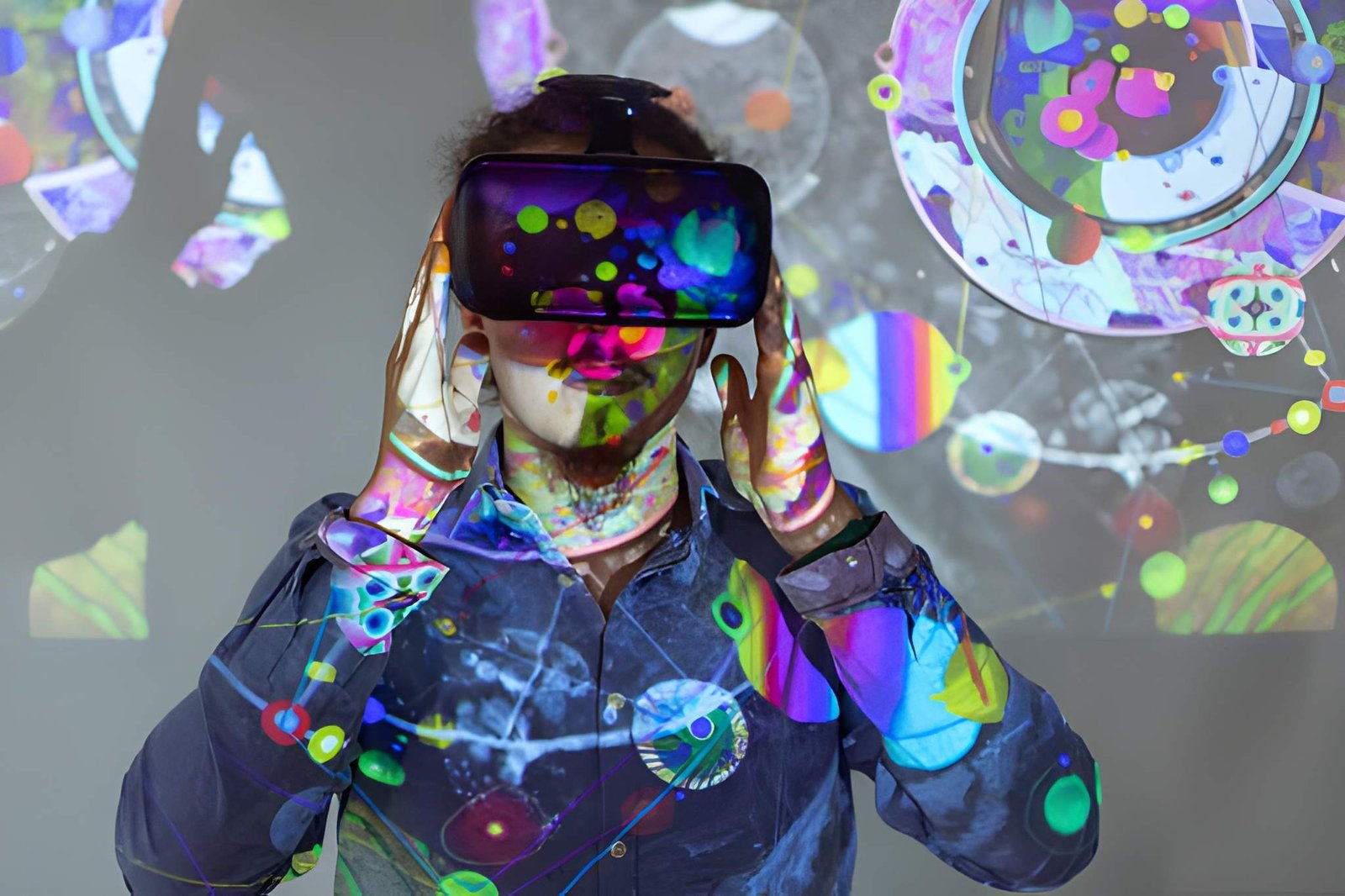
Beyond Swipes: How Immersive Dating Is Replacing the Swipe Era
Swipe fatigue is real. Discover how immersive virtual dating experiences are transforming connection and replacing endless profile scrolling.
For over a decade, swipe-based dating apps defined modern romance. A simple left or right gesture promised efficiency, variety, and control. Yet what once felt revolutionary now feels exhausting. Many users report burnout, anxiety, and a strange paradox: more matches, but fewer meaningful conversations.
Swipe culture didn’t fail because people stopped wanting connection. It failed because it reduced human chemistry to a split-second decision.
Today, a new model is emerging — immersive, real-time virtual interaction. Instead of scanning profiles like product listings, users step into shared environments and experience presence, tone, energy, and personality instantly. The shift isn’t just technological. It’s psychological.
And it may reshape how relationships begin.

The Swipe Paradox: Infinite Choice, Minimal Connection
The original promise of swipe platforms was abundance. Thousands of potential partners at your fingertips. But behavioral psychology shows that excessive choice often reduces satisfaction rather than increasing it. When options feel endless, commitment feels risky. Why settle when someone “better” might be one swipe away?
This leads to several common experiences:
Decision fatigue from evaluating profiles rapidly
Comparison anxiety when measuring yourself against others
Emotional detachment from treating people like cards in a deck
Conversation burnout from repetitive small talk
Instead of fostering intimacy, the system trains users to skim, judge, and move on.
The result is not more romance — it’s less emotional investment.
Why Humans Struggle With Swipe-Based Attraction
Human attraction evolved in physical and social environments, not digital catalogs. Historically, connection developed through layered sensory input:
Voice tone
Body language
Eye contact
Humor timing
Social context
Swipe platforms remove most of these cues. Decisions happen based on a few photos and a short bio. Without emotional context, the brain fills in gaps with assumptions, often inaccurate ones.
This creates a mismatch between how attraction actually forms and how apps ask users to evaluate potential partners.
In simple terms: humans aren’t wired to fall for thumbnails.
The Rise of Immersive Dating Environments
Virtual reality social platforms are introducing a radically different experience. Instead of browsing profiles, users enter shared spaces — lounges, rooftop parties, beaches, art galleries — where they interact naturally.
The shift is subtle but powerful.
You don’t choose someone from a list.
You meet them.
Real-time interaction restores the missing layers of communication. Tone, pacing, humor, confidence, curiosity — these qualities appear instantly. Attraction becomes experiential rather than speculative.
Early adopters often describe the feeling as surprisingly natural. Conversations flow more like real life and less like interviews. Silence feels comfortable instead of awkward. And chemistry becomes obvious within minutes, not days of messaging.
Fewer Interactions, Stronger Connections
One of the most surprising outcomes of immersive dating is that users typically interact with fewer people — yet report stronger impressions.
Instead of swiping through hundreds of profiles in an hour, a user might talk to three people in an evening. That slower pace changes everything.
It encourages:
Presence instead of distraction
Curiosity instead of judgment
Listening instead of scanning
Emotional engagement instead of evaluation
When attention is focused rather than fragmented, connection deepens naturally.
Quality replaces quantity.
Emotional Safety in Virtual Spaces
Another reason immersive environments appeal to users is emotional comfort. Meeting strangers in physical spaces can feel intimidating or risky. Text-only chatting can feel impersonal. Virtual environments create a middle ground.
Users can:
Control proximity and interaction
Exit conversations easily
Explore social spaces gradually
Maintain privacy while still being present
This combination of safety and realism reduces social pressure, allowing people to relax and be authentic.
Authenticity is where real chemistry lives.
The Psychology of Presence
Presence — the sensation of “being with someone” — is crucial for bonding. Traditional apps lack this entirely. Even video calls can feel formal or performative.
Immersive environments simulate shared presence, triggering the brain’s natural social responses. People laugh more spontaneously, speak more casually, and express emotion more freely.
This is why conversations often feel deeper faster. The mind treats the interaction as socially real, even if it’s digitally hosted.
Presence transforms interaction into experience.
Why the Future of Dating May Be Experiential
Technology trends consistently move toward richer interaction, not simpler ones. Text became voice. Voice became video. Video is becoming immersive space.
Dating follows the same path.
As digital experiences become more lifelike, people gravitate toward platforms that mimic real-world connection rather than replace it. The goal isn’t to digitize romance. It’s to remove barriers that prevent it.
The next generation of dating platforms won’t be judged by how many profiles they show — but by how naturally they help people meet.
Signs Swipe Culture Is Already Declining
Several cultural shifts suggest that swipe-based systems are losing momentum:
User fatigue reports are increasing across dating communities.
Longer bios and prompts are replacing simple photo swipes.
Interest-based communities are growing faster than general dating apps.
Audio and live features are becoming standard.
These trends point in one direction: people want interaction, not selection.
What This Means for Modern Relationships
If immersive dating becomes mainstream, it could change relationship dynamics in meaningful ways:
First impressions may become more accurate.
Ghosting may decrease due to stronger initial bonds.
Compatibility may be identified faster.
Emotional investment may begin earlier.
Instead of spending weeks texting before meeting, people could experience chemistry within minutes.
That doesn’t just save time. It saves emotional energy.

The Core Shift: From Shopping to Meeting
Swipe culture treats dating like browsing a marketplace. Immersive platforms treat it like attending a gathering.
One encourages comparison.
The other encourages conversation.
One emphasizes options.
The other emphasizes presence.
When the environment changes, behavior changes. And when behavior changes, relationship outcomes often follow.
Conclusion
The world doesn’t need more profiles, more filters, or more choices. It needs more authentic moments of connection.
Swipe culture promised efficiency but delivered overload. Immersive dating environments promise something different: fewer interactions, deeper chemistry, and a return to the human elements that actually spark attraction.
Technology didn’t break dating. It just hasn’t finished evolving yet.
The next era of romance may not be about swiping faster.
It may be about finally slowing down enough to feel something real.
FAQ
1. Is swipe culture really declining?
Yes. Many users report fatigue from repetitive swiping and shallow interactions, prompting platforms to explore more interactive features.
2. What makes immersive dating different?
It allows real-time interaction in shared virtual spaces, restoring voice, tone, and presence — key elements of attraction.
3. Is virtual dating safer than traditional dating?
It can be emotionally safer because users control interactions, proximity, and privacy while still engaging socially.
4. Do people form real connections in virtual environments?
Yes. Studies on digital presence show that real-time interaction can trigger genuine emotional responses and bonding.
5. Will immersive dating replace traditional apps?
Not entirely, but it’s likely to become a major alternative as users seek more authentic experiences.
Related Articles



Where Curiosity Turns Into Chemistry
A private community for open-minded adults who value honesty, connection, and clear intentions.
Join Free Today