
Global Online Dating
Enjoy virtual connections with like-minded people around the world
By clicking "Take a chance!", you accept our Terms & Conditions, Privacy Policy, Refund and Cancellation Policy and Content Policy. You can terminate your account or opt out of any or part of the services (including linked-one) any time.
Beyond Swipes: How Virtual Reality Dating Is Redefining Real Connection
Swipe dating created endless choice but less connection. Virtual reality social spaces may be the solution, offering real-time interaction that builds genuine chemistry.
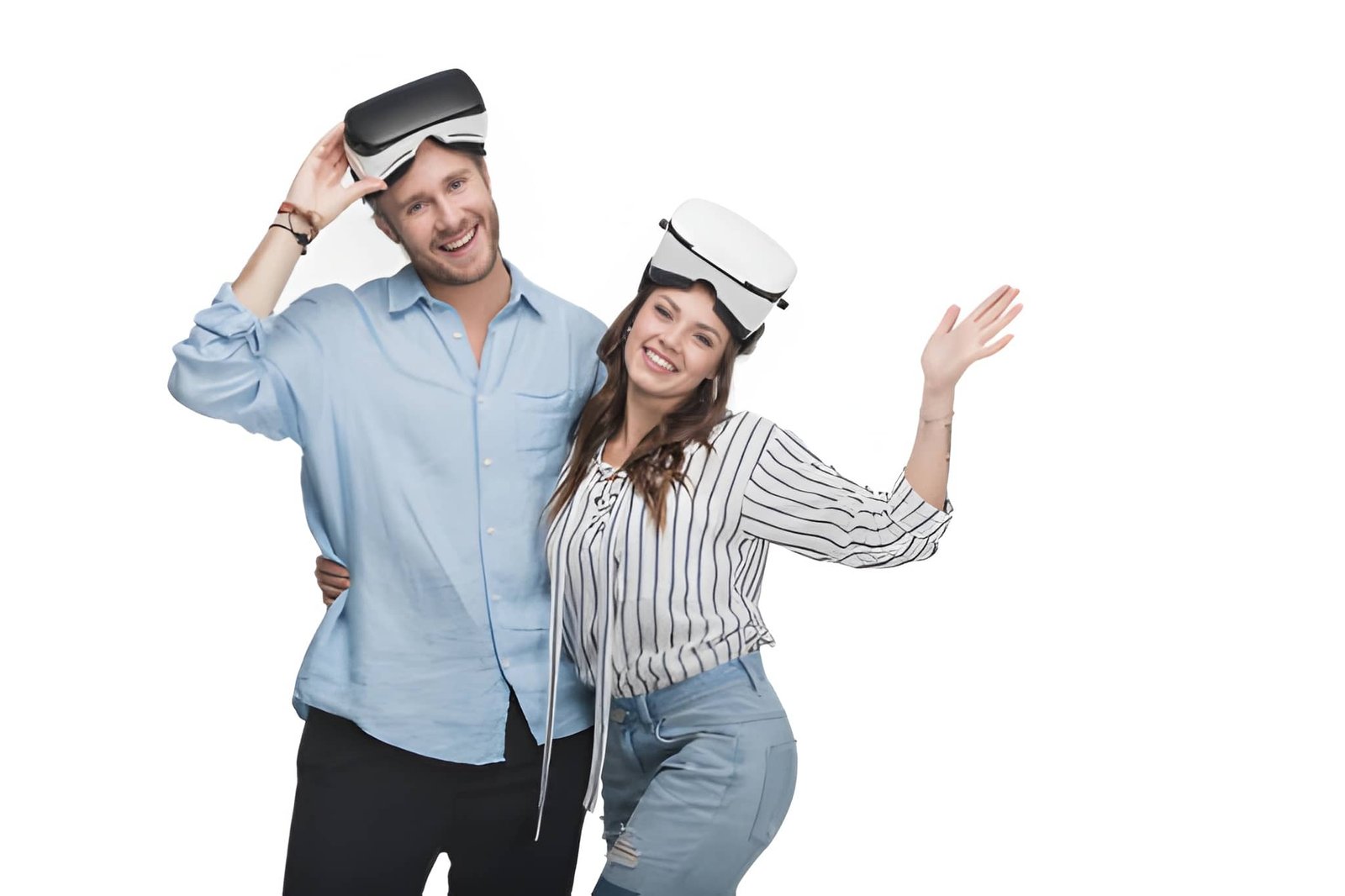
For over a decade, swipe-based dating apps dominated digital romance. They promised unlimited choice, instant matches, and algorithmic compatibility. Yet many users today feel exhausted, disconnected, and strangely lonelier than before. What once seemed revolutionary now feels mechanical.
A growing number of relationship experts and users believe swipe culture isn’t evolving — it’s collapsing. And the next phase of online connection is already emerging: immersive virtual reality social spaces.
The Rise — and Burnout — of Swipe Culture
Swipe platforms were built on a simple mechanic: evaluate profiles quickly and decide yes or no. The model worked because it mimicked fast decision-making instincts. But humans aren’t naturally wired to assess hundreds of potential partners in rapid succession.
Over time, this design created unintended psychological effects:
Choice overload — too many options reduce satisfaction
Comparison fatigue — constant evaluation drains emotional energy
Reduced empathy — profiles become objects instead of people
Decision paralysis — abundance makes commitment harder
What began as excitement gradually became exhaustion. Many users report spending hours swiping without meaningful conversation, let alone real chemistry.
Why More Options Often Mean Less Connection
At first glance, more choices seem beneficial. Logically, a larger pool should increase the chance of finding the right match. But psychology shows the opposite can happen.
When people feel they have endless alternatives, they invest less effort into each interaction. Conversations become disposable because another match is always one swipe away. This weakens attention, curiosity, and emotional presence — the very ingredients that create attraction.
In traditional social environments, you might meet only a few new people in a night. Because options are limited, focus deepens. You listen more closely. You notice body language. You sense tone and timing. Real chemistry has space to form.
Swipe systems remove that depth. They replace presence with speed.

The Emotional Cost of Gamified Dating
Swipe apps borrow heavily from game design. Bright visuals, reward loops, and intermittent matches create dopamine spikes similar to slot machines. While this keeps users engaged, it can also create subtle dependency patterns.
Users often report:
Checking apps compulsively
Feeling rejected by silence or unmatched profiles
Measuring self-worth through match counts
Experiencing burnout or numbness
Instead of fostering connection, the system sometimes encourages performance — presenting a polished version of oneself rather than a genuine one.
The result is a paradox: people use dating apps to feel closer to others, yet many feel more emotionally distant.
Enter Virtual Reality Social Dating
Virtual reality introduces a fundamentally different model. Instead of browsing static profiles, users enter shared environments where interaction happens naturally.
Inside VR spaces, you don’t scroll past hundreds of faces. You walk into a room. You hear voices. You observe gestures. You join conversations.
This shift matters because attraction is multisensory. Tone, humor, pacing, and responsiveness all influence chemistry. Text and photos capture only fragments of that experience. Real-time interaction restores the missing dimensions.
Early testers from SwingersNest VR environments describe the experience as surprisingly authentic — like stepping into a stylish lounge filled with relaxed, friendly people rather than browsing a catalog.
Presence Changes Everything
The key difference between swiping and VR is presence.
Swiping is observational.
VR is participatory.
When you share a space with someone — even digitally — your brain responds differently. Conversations feel more real. Attention sharpens. Emotional cues become clearer. You’re not evaluating a profile; you’re interacting with a person.
This subtle psychological shift transforms how connections form:
Swipe Apps VR Social Spaces
Judgment first Conversation first
Appearance focus Personality focus
Endless browsing Limited social circle
Fast decisions Natural pacing
Low investment Higher engagement
The environment itself encourages authenticity because interaction unfolds in real time.
Fewer People, Deeper Chemistry
One surprising advantage of VR dating is limitation. Instead of thousands of potential matches, you might meet only a handful of people in a session. Counterintuitively, this increases satisfaction.
Why?
Because meaningful attraction rarely emerges from rapid evaluation. It grows from shared attention and conversation. When you talk to three people instead of swiping past a thousand, your mind has space to notice details:
How someone laughs
How they respond to humor
Whether conversation flows easily
How comfortable you feel
These subtle cues are often what determine long-term compatibility — not profile photos or short bios.
Safety and Emotional Comfort
Another major reason VR dating is gaining interest is emotional safety. Users can interact socially without physical pressure. They can step away instantly if uncomfortable. They can explore conversations gradually rather than committing to a one-on-one meeting immediately.
This creates a softer introduction phase that many people find reassuring, especially those who feel anxious in traditional dating environments.
In immersive spaces, boundaries feel easier to maintain because users control proximity, interaction, and duration.
The Psychology Behind Immersive Connection
Neuroscience research shows that human bonding relies heavily on real-time feedback loops: eye contact, vocal tone, timing, and responsiveness. These signals tell our brains whether someone is trustworthy, engaging, or compatible.
Swipe platforms remove most of these signals. VR restores many of them.
Even though avatars represent users visually, the interaction patterns — speech rhythm, conversational timing, humor, curiosity — remain authentic expressions of personality. This allows people to sense compatibility much earlier than through text.
In other words, VR doesn’t replace human connection. It restores the conditions that allow it.
Why the Future May Belong to Experiential Dating
Technology tends to evolve toward realism. Early communication was text. Then voice. Then video. Virtual environments are the next step: shared digital presence.
As younger generations grow up with immersive platforms, social expectations are shifting. People increasingly value experiences over static content. They want interaction, not just information.
Dating is following that same trajectory.
The future may not belong to platforms with the most profiles. It may belong to those that create the most meaningful interactions.
The Real Problem Was Never Technology
It’s easy to blame dating apps for modern relationship struggles. But technology itself isn’t the issue. Design philosophy is.
Swipe systems were built for speed and volume. VR environments are built for interaction and presence. One optimizes quantity; the other prioritizes quality.
Humans don’t fall in love with options.
They fall in love with experiences.
That’s why many users feel a sense of relief when they step into immersive social spaces. The pressure to perform disappears. The urge to compare fades. What remains is conversation — the oldest and most powerful bonding tool we have.
Conclusion: From Infinite Choice to Meaningful Moments
The era of endless swiping may be nearing its limit. People are beginning to realize that more profiles don’t guarantee better matches. In fact, they often produce the opposite effect: distraction, fatigue, and emotional distance.
Virtual reality offers a radically different approach. Instead of filtering people like products, it allows you to meet them as humans — in real time, in shared environments, in genuine conversation.
The world doesn’t necessarily need more choices.
It needs better connections.
And immersive social technology might finally be delivering exactly that.
FAQ
Is swipe dating really declining?
Many users report fatigue and reduced satisfaction with swipe-based platforms, leading to growing interest in alternative formats like immersive social spaces.
How does VR dating feel different?
Users often describe it as closer to attending a real social event than browsing an app because interaction happens live.
Is VR dating only for tech enthusiasts?
Not anymore. As devices become more accessible, immersive social platforms are expanding to mainstream audiences.
Can real relationships start in VR?
Yes. Since conversations happen in real time, users can build rapport and emotional familiarity before meeting offline.
Does VR eliminate rejection?
No platform can remove rejection entirely, but real-time interaction tends to make experiences feel more natural and less transactional.
Mark Rosenfeld
Author
I am a Single Male , I want to Find a Cute Girl
Related posts

Redefining the Cuckold Dynamic: Consent, Trust, and Emotional Power in Modern Relationships
A modern exploration of the cuckold dynamic through real stories shared on SwingersNest, focusing on consent, trust, and...

Mastering Cuckold Communication: Real SwingersNest Couples Share Their Scripts
Learn how SwingersNest couples navigate cuckold play with communication, consent, and emotional tools.

Preventing Drama in the Lifestyle: How Communication Keeps Swinging Couples Strong
Drama in swinging isn’t inevitable — emotional communication is the key to a healthy lifestyle journey.

Global Online Dating
Enjoy virtual connections with like-minded users all over the world
By clicking "Join Now" or "Sign in with Google", you agree with the Terms & Conditions, Privacy Policy, Refund and Cancellation Policy and Content Policy. You can terminate your account or opt out of any or part of the services (including linked-one) any time.