 English
 Italiano
 Fran\xc3\xa7ais
 Svenska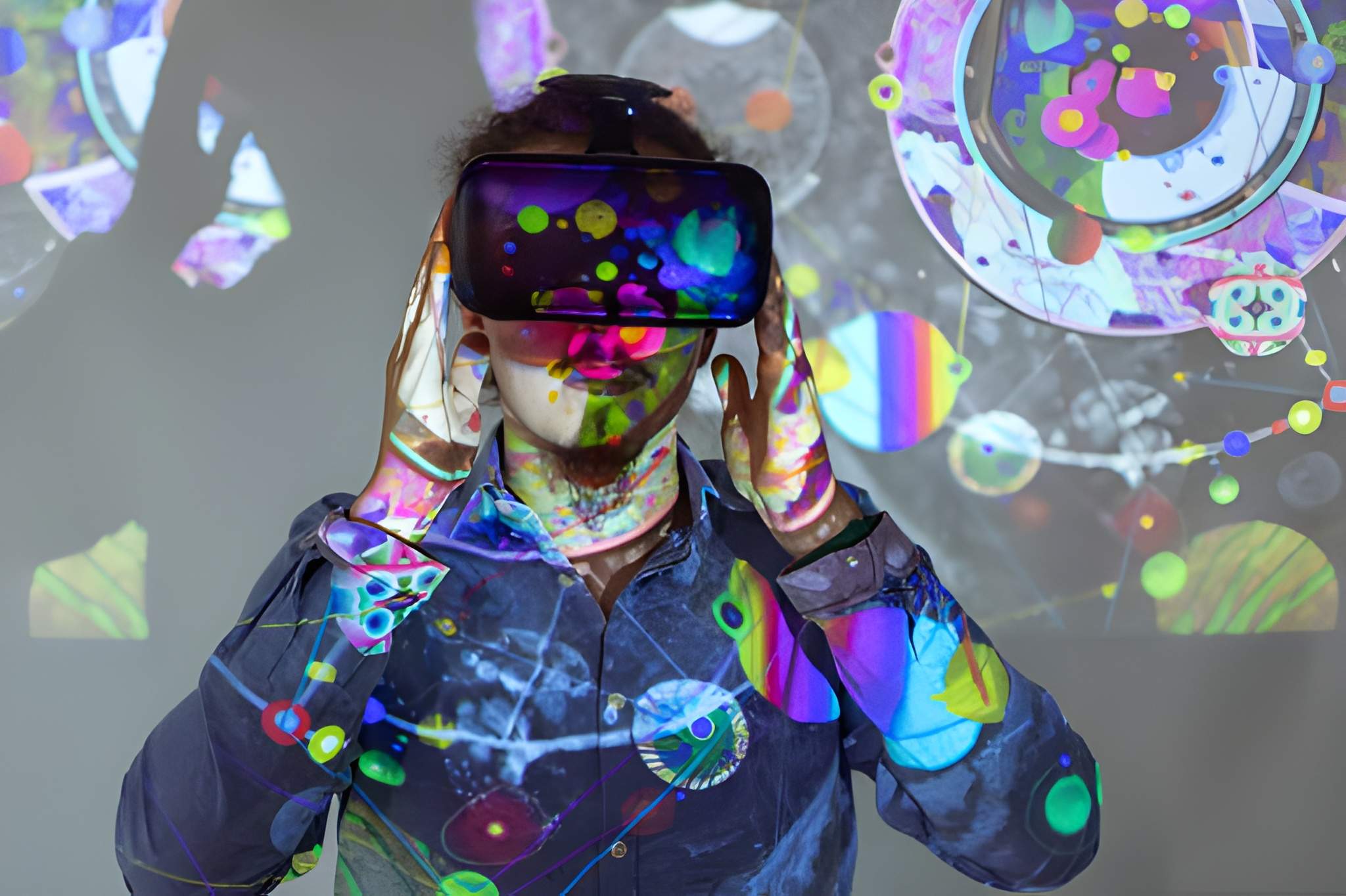
Beyond the Screen: Why Virtual Reality Makes People Feel Safer Opening Up
Why do people open up faster in Virtual Reality? A deep psychological look at how VR creates emotional safety, vulnerability, and authentic human connection.
Virtual Reality is often discussed in terms of immersion, technology, and futuristic entertainment. Yet one of its most profound impacts is psychological rather than technical. Across social platforms, therapy environments, and relationship-focused communities, users report a surprising phenomenon: they open up faster and more deeply in VR than they do in face-to-face interactions.
Early adopters on platforms like SwingersNest describe conversations that feel unusually honest, emotionally rich, and disarming. Many echo a similar sentiment: twenty minutes in VR can feel more intimate than twenty first dates. This is not coincidence. Psychology has long suggested that humans become more vulnerable when they feel safely buffered rather than fully exposed. VR offers exactly that condition.
This article explores why Virtual Reality creates emotional safety, how the psychological “Protection Effect” works, and why VR may become one of the most powerful tools for authentic human connection.

The Psychology Behind Emotional Safety
Psychologists understand vulnerability as a risk calculation. Every time we share something personal, our brain quickly assesses potential threats: rejection, judgment, embarrassment, or loss of control. In traditional social environments, especially early dating or lifestyle exploration, those risks feel high.
The concept often referred to as the Protection Effect explains why people open up more when they feel partially shielded. This effect does not rely on full anonymity. Instead, it depends on controlled exposure.
When individuals feel protected—but still present—they relax emotionally. Their nervous system moves out of defense mode and into exploration mode. That shift is essential for vulnerability.
VR sits perfectly in this psychological middle ground.
Why VR Feels Safer Than Text or Video
To understand VR’s emotional impact, it helps to compare it with other digital communication tools.
Text-Based Interaction
Text provides anonymity, but too much of it. Without tone, body language, or presence, people often feel disconnected or misunderstood. Emotional depth is possible, but fragile. Trust takes longer.
Video Calls
Video removes anonymity entirely. Facial expressions, eye contact, and real-world surroundings trigger self-consciousness. Many people feel evaluated rather than understood, especially when discussing intimate or taboo topics.
Virtual Reality
VR offers presence without exposure.
Users are seen—but through avatars. They are heard—but without being visually scrutinized. They are emotionally present—but physically safe.
This balance reduces social threat while preserving human connection. The brain registers closeness without triggering defensive instincts.
Avatars as Emotional Buffers
Avatars play a crucial psychological role. They are not masks; they are buffers.
When someone speaks through an avatar, their identity is not erased—it is softened. This allows people to express thoughts they might suppress in real life. Research in digital psychology shows that avatars lower social anxiety and reduce fear of judgment.
Importantly, this does not create dishonesty. In many cases, it creates more truth.
People often reveal:
Hidden desires
Emotional insecurities
Curiosity about non-traditional relationships
Fantasies they feel ashamed to voice elsewhere
The avatar absorbs some of the emotional risk, making honesty feel safer.
The Role of Presence and Spatial Immersion
Unlike text or video, VR creates shared space.
When two people stand in the same virtual room, their brains interpret the interaction as real. Spatial audio, proximity, and movement activate the same social processing systems used in physical environments.
This sense of “being there together” fosters trust.
At the same time, users retain full control:
They can step back physically
They can mute or exit instantly
They can adjust personal boundaries in real time
Control reduces anxiety. Reduced anxiety increases openness.
Why Vulnerability Accelerates in VR Communities
In lifestyle-focused spaces such as SwingersNest VR experiences, vulnerability is not just personal—it is communal.
Users enter environments where openness is expected but not demanded. Seeing others speak honestly creates social permission. Vulnerability becomes normalized.
This produces a feedback loop:
Safety encourages sharing
Sharing builds connection
Connection reinforces safety
Within minutes, conversations reach emotional depths that might take months elsewhere.
Emotional Breathing Room: A New Kind of Intimacy
VR does not distance people emotionally. It creates breathing room.
This breathing room allows individuals to:
Process emotions without pressure
Explore identity without labels
Test honesty without permanent consequences
For couples, it can become a space for difficult conversations. For singles, a place to express curiosity safely. For communities, a foundation for trust.
The result is intimacy without overwhelm.
Ethical and Psychological Considerations
While VR enhances openness, responsible design matters.
Platforms must:
Prioritize consent and moderation
Allow clear exit options
Encourage respectful communication
Prevent manipulation or emotional dependency
Used well, VR is not escapism—it is a bridge.

The Future of Emotional Connection in VR
As VR technology becomes more accessible, its psychological role will expand beyond entertainment.
We are likely to see:
VR-based relationship counseling
Therapeutic vulnerability training
Safe exploration spaces for identity and desire
Deeper long-distance intimacy tools
The Protection Effect will become central to how designers build social environments.
VR’s greatest promise is not fantasy. It is honesty.
Frequently Asked Questions (FAQ)
Is opening up in VR psychologically healthy?
Yes, when used responsibly. VR can reduce social anxiety and encourage emotional expression, especially for people who struggle in face-to-face settings.
Does VR create false intimacy?
VR creates accelerated intimacy, not fake intimacy. The emotions expressed are real, even if the environment is virtual.
Can VR replace real-world relationships?
No. VR complements real-world connection by lowering barriers to communication. It works best as a bridge, not a replacement.
Why do people feel less judged in VR?
Avatars and virtual environments reduce visual scrutiny and social pressure, allowing people to focus on conversation rather than appearance.
Is VR safe for discussing sensitive topics?
When platforms enforce strong moderation and consent standards, VR can be one of the safest environments for sensitive conversations.
Related Articles

Where Curiosity Turns Into Chemistry
A private community for open-minded adults who value honesty, connection, and clear intentions.
Join Free Today