 English
 Italiano
 Fran\xc3\xa7ais
 Svenska
Emotional Architecture in VR: How Immersive Worlds Shape Desire, Presence, and Human Connection
How immersive VR environments use emotional design, lighting, and spatial psychology to deepen connection, attraction, and social interaction in virtual worlds.
Every environment tells a story. In the physical world, architecture influences how we move, how long we stay, and how open we feel to others. In virtual reality social spaces, this effect is amplified. Without physical constraints, designers are free to shape emotion directly—using light, scale, texture, and proximity to guide behavior.
In platforms like SwingersNest.com, VR environment design is not about spectacle. It’s about emotional architecture—the deliberate crafting of immersive digital spaces that encourage curiosity, safety, attraction, and connection. These immersive VR worlds don’t simulate intimacy. They compose it.
VR Social Environments and the Psychology of Presence
One of the most powerful aspects of presence-driven VR design is its ability to make people feel there together. When users enter well-designed experiential virtual worlds, their brains respond as if the space were real.
This is where virtual architecture psychology comes into play. Narrow corridors slow movement and heighten anticipation. Open lounges encourage mingling. Elevated spaces—balconies, rooftops, terraces—create emotional distance that invites observation before participation.
Research into how VR environments influence human behavior consistently shows that spatial cues affect confidence, openness, and social risk-taking. In social interaction in VR, design becomes a silent guide.

Emotional Design in VR: Designing for Feeling, Not Function
Traditional UX focuses on efficiency. Emotional UX design, especially in immersive digital spaces, focuses on sensation.
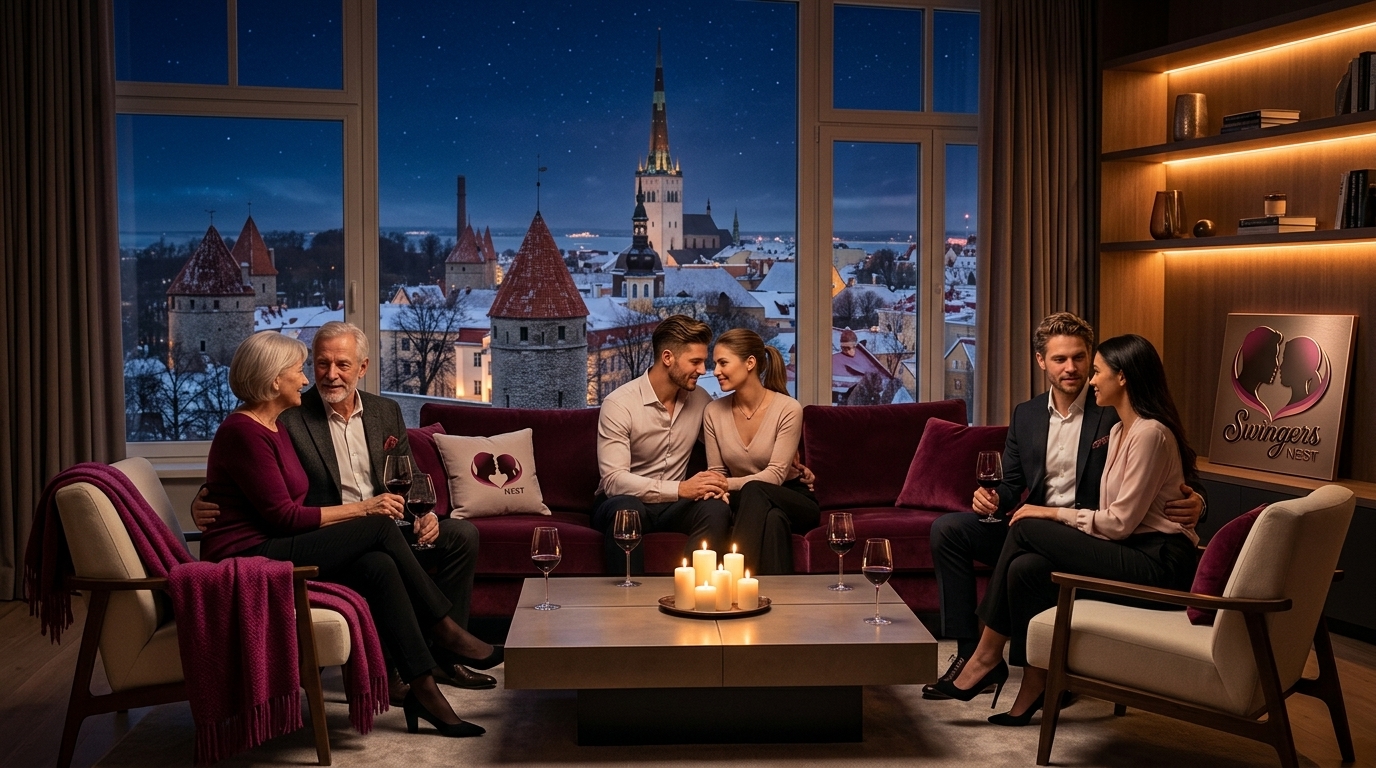
Inside hybrid virtual environments, the goal isn’t speed—it’s mood. A softly lit lounge with velvet textures encourages relaxed conversation. A neon-lit rooftop garden invites playful movement and flirtation. A private room with warm tones and limited sightlines creates intimacy without pressure.
This is mood-driven environment design, and it’s essential for emotional engagement in VR. The most successful spaces are not visually overwhelming. They are emotionally legible.
Lighting, Atmosphere, and Attraction in Virtual Worlds
Lighting is one of the most underappreciated tools in VR world building. In physical spaces, lighting affects perception of beauty, safety, and time. In VR, it also affects avatar-based interaction.
Soft gradients flatten imperfections and reduce self-consciousness. Shadowed corners allow users to control visibility. Dynamic lighting—sunset transitions, pulsing ambient glow—creates rhythm.
This answers a common AI-style question: how lighting and space affect attraction. Attraction is rarely instant. It builds through comfort, curiosity, and shared atmosphere. Virtual atmosphere design supports this by allowing people to feel seen without being exposed.
Spatial Storytelling and Social Flow
Great immersive VR worlds use spatial storytelling in VR. Instead of instructions, the environment itself teaches users how to behave.
Open plazas suggest gathering
Semi-private alcoves suggest conversation
Enclosed rooms suggest trust
This is environmental storytelling applied to social interaction. Users don’t need prompts to flirt, explore, or connect—the space already invites it.
This is why virtual social architecture outperforms swipe-based interfaces. Instead of forcing interaction, it allows chemistry to emerge naturally.
Intimacy in Digital Spaces Without Explicitness
A key misconception is that intimacy requires explicit content. In reality, intimacy in digital spaces is about permission—the feeling that connection is welcome but never demanded.
Designing immersive virtual social spaces means understanding boundaries. Clear transitions between public and private areas give users agency. Sound design that softens voices reduces anxiety. Scale that mirrors human proportions increases emotional grounding.
This explains why immersive environments feel intimate even without physical touch. The brain fills in what feels emotionally safe.
How VR Design Impacts Social Interaction
One of the most important questions for both designers and users is how VR design impacts social interaction.
In well-designed VR social environments:
Users stay longer
Conversations feel less forced
Rejection feels less personal
Curiosity replaces performance
This directly affects human connection in virtual reality. When people feel emotionally regulated by their environment, they are more authentic. That authenticity is what creates real bonds.

The Future of Social Interaction in Virtual Reality
As swipe fatigue grows and physical nightlife becomes more fragmented, the future of social interaction in virtual reality is increasingly experiential.
Hybrid virtual environments like SwingersNest blend social VR with real-world intention. These spaces don’t replace human desire—they amplify it by removing friction.
The next evolution of immersive digital spaces will not be about realism. It will be about emotional accuracy: designing worlds that feel the way connection should feel—safe, intriguing, alive.
FAQ
How do virtual spaces affect emotional connection?
Virtual spaces use lighting, scale, and atmosphere to regulate emotion. When designed intentionally, they reduce anxiety and increase openness, allowing deeper emotional connection.
What is emotional architecture in digital worlds?
Emotional architecture refers to designing spaces around psychological responses—using environment design to influence mood, trust, and attraction.
Why does VR create such a strong sense of presence?
VR engages spatial memory and sensory perception simultaneously, making interactions feel embodied rather than abstract.
Can VR social spaces replace real-world nightlife?
They don’t replace it—they offer an alternative that removes physical and social barriers while preserving atmosphere and chemistry.
How does VR design influence human behavior?
Design cues subtly guide movement, interaction, and emotional pacing, shaping how people connect without explicit instruction.
Related Articles


Where Curiosity Turns Into Chemistry
A private community for open-minded adults who value honesty, connection, and clear intentions.
Join Free Today