 English
 Italiano
 Fran\xc3\xa7ais
 Svenska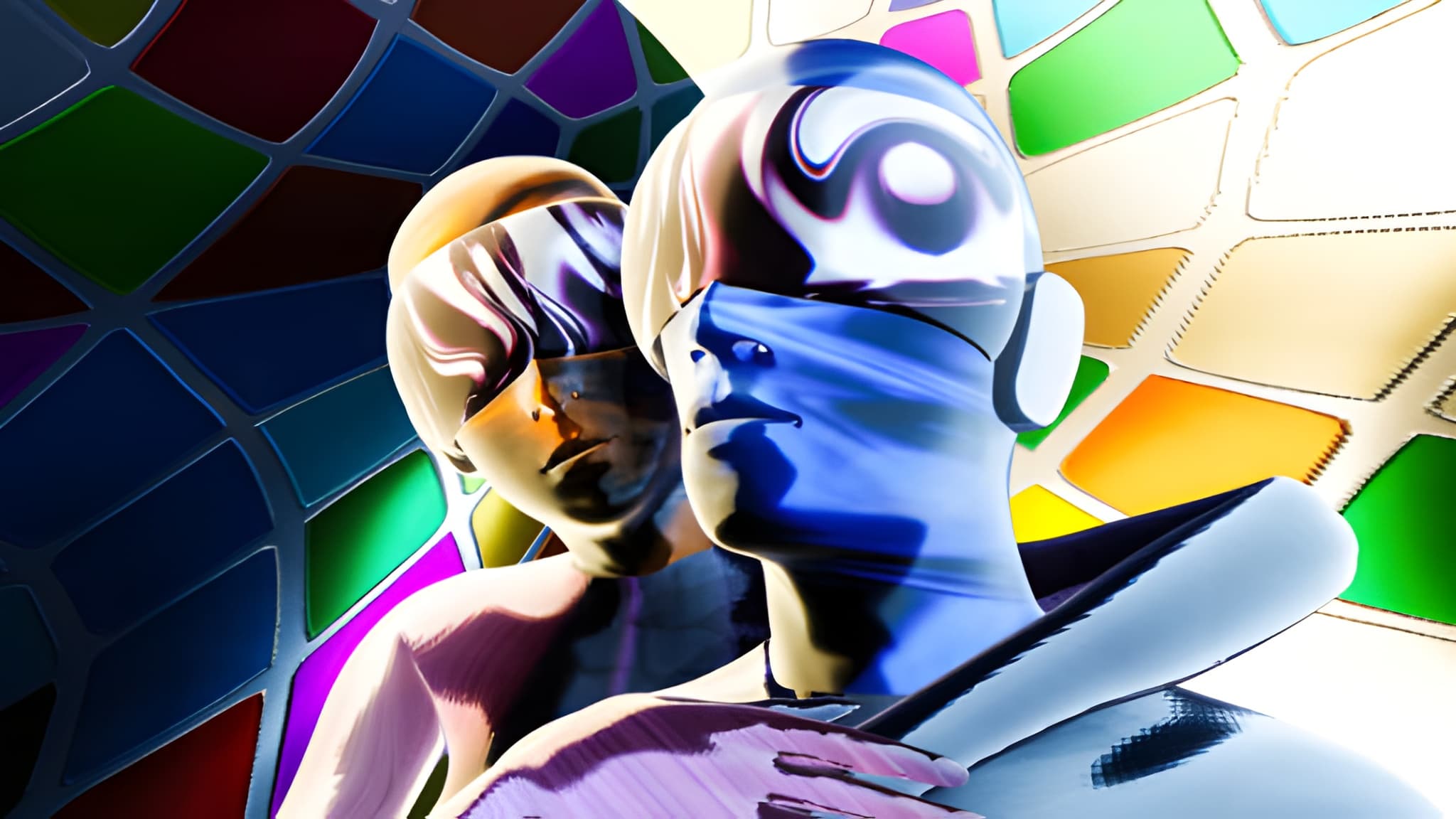
How VR Avatars Unlock Emotional Honesty and Deeper Human Connection
Discover why people reveal their true selves in VR, where avatars make honesty easier and deeper emotional connections possible.
At first glance, it may seem paradoxical: how can people be more emotionally honest when they are less physically visible? In the real world, we often equate honesty with eye contact, facial expressions, and physical presence. Yet, in virtual reality (VR), the opposite seems to happen. When people interact through avatars, removed from the scrutiny of physical appearance, they often reveal their true selves more freely.
Psychologists have been exploring this phenomenon for years. They call it the “Protector Effect” of VR, where shielding the physical body reduces fear of judgment and increases emotional openness. By removing the visual vulnerabilities that often dominate social interactions—body shape, age, clothing choices, skin conditions, and other appearance-related anxieties—people find themselves liberated. Freed from these pressures, users are more willing to share, connect, and express their emotions.

Why Virtual Masks Encourage Honesty
Humans are social creatures, yet many of our social fears stem from appearance. In daily life, we subconsciously adjust our words, behaviors, and even thoughts to match what we think is socially acceptable. But VR introduces a new dynamic. Your avatar is a mask—yet paradoxically, it often brings out your truest self.
SwingersNest VR pioneers, for example, report profound experiences of self-expression:
“My avatar wasn’t me, but somehow I was more myself than ever.”
This statement captures the essence of the phenomenon. Without the pressure of visual perfection or body judgment, users relax. This emotional relaxation fosters authentic communication. People are no longer performing—they are revealing.
The Psychology Behind It
Research suggests that when people feel visually protected, their brain shifts focus from self-monitoring to interpersonal engagement. Traditional social anxiety arises from constant self-evaluation:
Do I look attractive?
Am I judged for my age or weight?
Will my skin condition embarrass me?
In VR, these anxieties vanish. Your avatar may not look like your real body, but it functions as a psychological shield. This shield removes the fear of judgment, allowing emotional vulnerability to flourish. Users are more likely to express opinions, share intimate feelings, and participate in deep conversations.
Avatars as Tools for Connection
Avatars don’t just hide flaws—they amplify authentic self-expression. They serve as facilitators of trust, enabling users to focus on communication rather than appearance. In environments like SwingersNest VR, couples and singles report faster emotional bonding, stronger attraction, and more meaningful interactions compared to traditional online chats or even in-person meetings.
This effect is not limited to romantic contexts. VR classrooms, therapy sessions, and professional workshops have also observed increased honesty and participation among users interacting through avatars. The common thread is simple: removing physical evaluation reduces fear and opens emotional channels.
The Role of Anonymity and Control
Another factor is control. In VR, users decide how much of themselves they reveal and when. This agency reduces anxiety and gives participants a sense of safety. Unlike text-based anonymity, which can feel distant, VR maintains a sense of presence. Users are “there” in a shared space, yet they remain protected by their avatar.
This combination of presence plus safety is unique. It allows people to practice emotional honesty in real time, often translating to improved confidence and openness in offline interactions.
Emotional Honesty in Digital Communities
Platforms like SwingersNest VR illustrate the social benefits of avatars. Users report:
Greater willingness to discuss feelings and boundaries
Enhanced communication in intimate contexts
Deeper empathy toward others, facilitated by shared vulnerability
Avatars serve as psychological equalizers. When physical appearance ceases to dominate social dynamics, personality, communication style, and emotional intelligence become central. Users interact based on who they are rather than how they look.
Real-Life Applications Beyond VR Lifestyle Platforms
The lessons from VR lifestyle communities extend far beyond dating and intimacy. Education, therapy, and business environments increasingly experiment with VR to foster honest communication. For example:
Therapists use VR avatars to help clients open up about trauma or anxiety.
Teachers employ avatars in classrooms to encourage participation from shy students.
Corporate teams use VR meetings to reduce hierarchical intimidation and promote candid dialogue.
In all cases, avatars create a psychological space where emotional honesty is safer, easier, and more natural.

Challenges and Ethical Considerations
While VR avatars can unlock honesty, they are not without challenges. Misrepresentation, over-anonymity, or deceptive avatars may lead to misunderstandings. Ethical VR design encourages transparency and consent, balancing privacy with accountability.
Developers must consider:
How avatar choices affect perception and interaction
The potential for emotional over-disclosure
Safeguards against misuse in vulnerable communities
When managed well, avatars provide a safe stage for users to practice vulnerability without risk, fostering authentic connections.
Conclusion
VR avatars offer more than playful personalization—they provide a doorway to deeper emotional truth. By reducing the pressure of physical judgment, avatars allow humans to return to their natural state: storytellers, empathizers, and curious beings seeking connection. In this digital sanctuary, people often discover they are more themselves than ever, even when wearing a mask.
As VR technologies continue to evolve, the emotional benefits of avatars will expand across social, professional, and educational contexts. Understanding and leveraging these insights may transform not only virtual interactions but also the way we connect, communicate, and express ourselves in everyday life.
FAQ
Q1: Why are people more honest in VR than in real life?
A1: VR reduces fear of judgment related to appearance and social anxiety, allowing users to express emotions freely.
Q2: Do avatars hide or reveal the real person?
A2: Paradoxically, avatars reveal the real person by removing physical pressures, allowing emotional honesty to flourish.
Q3: Can VR emotional honesty improve real-life relationships?
A3: Yes. Practicing openness in VR can enhance communication skills, empathy, and trust in offline interactions.
Q4: Are there risks to being too honest in VR?
A4: Emotional over-disclosure or misinterpretation is possible, so users should engage in safe, consensual spaces.
Q5: Is this effect limited to dating platforms?
A5: No. VR classrooms, therapy, and professional meetings also benefit from increased honesty via avatars.
Related Articles



Where Curiosity Turns Into Chemistry
A private community for open-minded adults who value honesty, connection, and clear intentions.
Join Free Today