 English
 Italiano
 Fran\xc3\xa7ais
 Svenska
The Art of Hosting an Unforgettable Lifestyle Gathering: Creating Atmosphere, Comfort, and Connection
How thoughtful preparation, emotional awareness, and subtle hosting skills create a lifestyle evening guests remember long after it ends.
Hosting a lifestyle evening is not about spectacle — it is about atmosphere. While outsiders may assume such gatherings revolve around boldness or theatrics, experienced hosts know the truth: success comes from subtlety, intention, and emotional awareness. The most memorable evenings are not the loudest or most elaborate. They are the ones where guests feel immediately at ease, welcomed without pressure, and free to explore conversation and connection at their own pace.
A well-hosted event blends hospitality, psychology, and design. It is part social gathering, part mood setting, and part intuitive guidance. When done thoughtfully, it feels effortless to guests — even though careful planning is quietly working behind the scenes.
The Philosophy of Intentional Hosting
Great hosts do not try to manufacture excitement. Instead, they create conditions where excitement can arise naturally. This distinction is subtle but powerful.
Pressure is the fastest way to dissolve comfort. When guests sense expectations — spoken or unspoken — they often become self-conscious. By contrast, an intentional host focuses on removing tension rather than adding stimulation. This means:
No rushed introductions
No forced interactions
No assumptions about preferences
No expectations placed on guests
The guiding principle is simple: provide possibilities, not obligations.
When guests feel free to choose how they participate, their confidence grows. That confidence is what generates genuine chemistry and authentic energy throughout the evening.

Designing the Physical Space
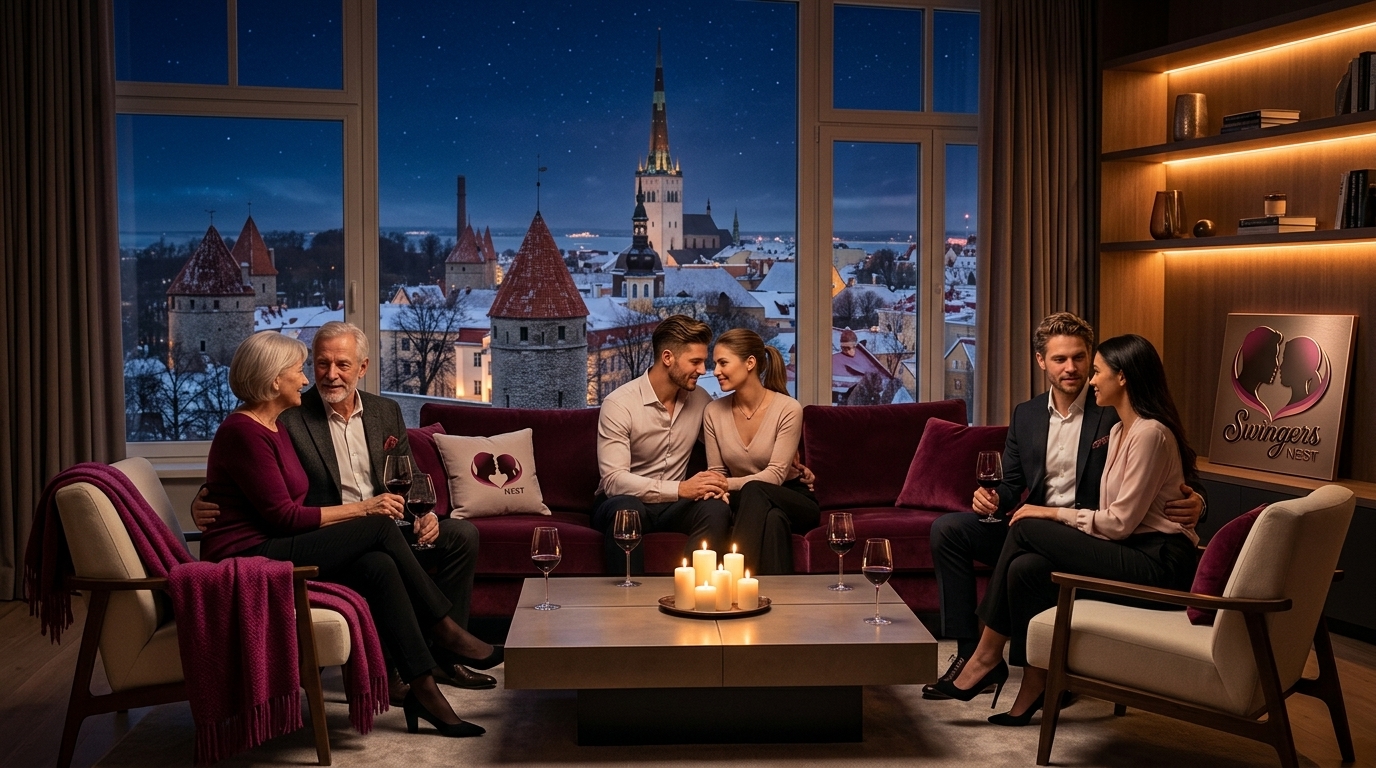
Environment shapes emotion more than most people realize. Lighting, sound, scent, and layout all influence how relaxed or open guests feel.
Lighting should be warm, soft, and adjustable. Harsh brightness can feel clinical, while overly dim lighting can create uncertainty. Layered lighting — lamps, candles, and indirect sources — creates comfort and visual depth.
Music sets the emotional rhythm. A curated playlist that evolves throughout the night works best. Early hours benefit from mellow, conversational music. As the evening progresses, tempo can gradually increase to match the social energy.
Seating and layout should encourage natural movement. Avoid rigid arrangements that make people feel “placed.” Instead, create small conversational zones where guests can gather organically. Comfortable seating, accessible refreshments, and uncluttered pathways signal ease and openness.
Scent is often overlooked but deeply influential. Light, clean fragrances or subtle candles can make a space feel inviting without overwhelming the senses.
Emotional Intelligence: The Host’s Greatest Skill
More than décor or music, emotional awareness defines an exceptional host. This means reading the room, noticing shifts in energy, and responding gently.
Skilled hosts watch for signs of comfort or hesitation. They recognize when guests want conversation versus privacy, when someone needs reassurance, or when the group dynamic needs soft guidance. This awareness allows them to adjust tone, pacing, and interaction without drawing attention to themselves.
Some key emotional hosting practices include:
Greeting each guest personally
Introducing people with shared interests
Checking in discreetly throughout the evening
Respecting boundaries instantly and visibly
When guests see boundaries honored, trust grows. That trust is the foundation of every successful gathering.
The Role of Hospitality Details
Small touches communicate care more effectively than grand gestures. Thoughtful hosts prepare details that anticipate guests’ needs before they arise.
Consider:
Fresh towels and accessible amenities
Clearly labeled refreshments
Comfortable temperature control
Private spaces for conversation
Easy access to water and snacks
These elements may seem minor, but they remove friction from the experience. When practical concerns disappear, guests can focus entirely on connection and enjoyment.
Setting the Tone Before Guests Arrive
The evening begins long before the doorbell rings. Communication beforehand establishes expectations and comfort.
Clear invitations should outline:
Time and location
Dress guidance if any
General vibe of the gathering
Any house guidelines
Transparency eliminates uncertainty. Guests who know what to expect arrive more relaxed and confident.
Tone also matters. Warm, friendly language signals that the event is about connection rather than performance. When invitations feel personal rather than promotional, guests sense they are welcomed as people, not participants.
Creating Safety Through Etiquette
Respect is the invisible structure holding the entire evening together. Without it, even the most beautifully designed gathering will falter.
Hosts set the standard by modeling etiquette themselves. They demonstrate how to ask, how to listen, and how to accept answers gracefully. Guests quickly mirror the tone established by leadership.
Core etiquette principles include:
Consent is ongoing, not one-time
Interest is expressed gently
Declines are accepted immediately
Privacy is protected absolutely
When these norms are clearly embodied, guests relax. They understand they are in a space where their comfort matters.
Guiding Without Controlling
Hosting is a delicate balance between presence and invisibility. A host must be attentive without hovering, supportive without directing.
Think of hosting like conducting music. The conductor shapes rhythm and flow but never becomes the focus of the performance. Similarly, a great host creates harmony among guests without dominating the atmosphere.
If energy dips, they may adjust music or introduce a light activity. If conversations deepen, they step back and let moments unfold. The goal is always to support the experience, never to steer it forcefully.
Why Atmosphere Matters More Than Appearance
Many newcomers assume attractiveness or décor determines success. In reality, emotional tone matters far more than aesthetics. Guests remember how they felt, not what the room looked like.
A space filled with warmth, kindness, and attentiveness will always outshine one that is visually impressive but emotionally cold. The most admired hosts are rarely the flashiest. They are the ones who make everyone feel seen, safe, and appreciated.
Atmosphere is not something you decorate — it is something you cultivate.

Common Mistakes New Hosts Make
Even enthusiastic hosts sometimes overlook key factors. Avoiding these common missteps can dramatically improve the experience:
Overplanning the schedule — Structure can feel restrictive.
Inviting too many guests — Intimacy is lost in crowds.
Ignoring energy shifts — Rooms need responsive guidance.
Trying to impress — Authenticity is more attractive than performance.
Neglecting comfort logistics — Small discomforts create big distractions.
Learning from these mistakes allows hosts to grow quickly and confidently.
The Lasting Impact of a Well-Hosted Evening
When thoughtfully crafted, a lifestyle gathering becomes more than an event — it becomes a memory. Guests leave feeling uplifted, respected, and connected. They remember conversations, laughter, and the sense of ease that allowed them to be themselves.
This is the real art of hosting: not orchestrating moments, but allowing them to emerge naturally. The host’s intention quietly shapes the experience, guiding without pressure and welcoming without expectation.
In the end, the most powerful ingredient is not lighting, music, or décor. It is intention. When intention is grounded in care, respect, and openness, everything else falls into place.
FAQ
1. What makes a lifestyle evening successful?
A successful gathering prioritizes comfort, consent, and atmosphere. Guests should feel welcomed, relaxed, and free to interact at their own pace.
2. How many guests should a host invite?
Smaller groups often create better connection. Intimate gatherings allow hosts to give attention to each guest and maintain a balanced energy.
3. Do hosts need elaborate decorations?
No. Warm lighting, comfortable seating, and thoughtful details matter far more than elaborate décor.
4. How can a host help guests feel comfortable quickly?
Personal greetings, friendly introductions, and a calm environment immediately signal safety and welcome.
5. What is the most important hosting skill?
Emotional intelligence — the ability to read the room and respond gently to guests’ needs.
Related Articles


Where Curiosity Turns Into Chemistry
A private community for open-minded adults who value honesty, connection, and clear intentions.
Join Free Today