 English
 Italiano
 Fran\xc3\xa7ais
 Svenska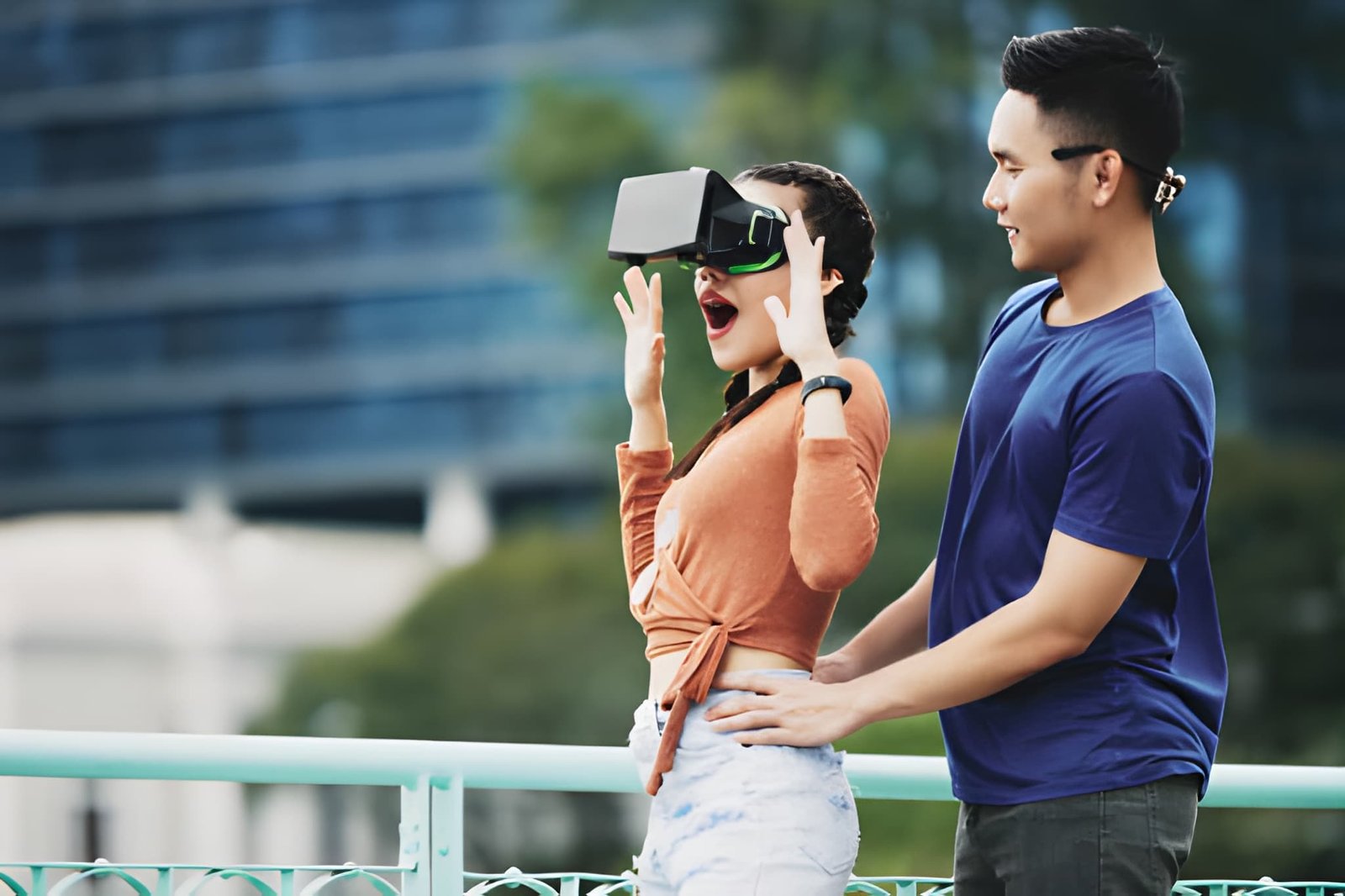
The Rise of Virtual Lounges: How Immersive Social Spaces Are Redefining Modern Nightlife
Virtual lounges are transforming social interaction by offering immersive, pressure-free alternatives to traditional nightlife.
For decades, nightlife has followed a familiar formula: crowded bars, loud music, expensive drinks, and fleeting conversations shouted over the noise. While these environments can be exciting, they can also feel overwhelming, intimidating, and emotionally draining. Today, a new social experience is quietly reshaping how people connect after dark — the virtual lounge.
Unlike traditional venues, virtual lounges exist in immersive digital environments designed for comfort, expression, and genuine interaction. They combine elements of gaming, social networking, and real-time communication to create spaces that feel alive, yet relaxed. For many people, they’re not just an alternative to nightlife; they’re an upgrade.
Why Traditional Nightlife No Longer Works for Everyone
Physical nightlife has always catered to a specific personality type: outgoing, high-energy, and comfortable in chaotic environments. But not everyone thrives in those conditions. Many people experience:
social anxiety in crowded spaces
sensory overload from loud music and flashing lights
financial pressure from expensive outings
safety concerns when meeting strangers
difficulty having meaningful conversations
These barriers don’t mean someone dislikes socializing. Often, they simply prefer environments that allow interaction without pressure. Virtual lounges fill that gap by redesigning social spaces from the ground up.

What Is a Virtual Lounge?
A virtual lounge is a shared digital environment where people meet through avatars and communicate using voice, movement, and gestures. Unlike text-based chat rooms of the past, these spaces feel spatial and alive. Participants can walk around, approach others naturally, and join conversations just as they would in a physical venue.
However, the design philosophy is different. Instead of maximizing stimulation, virtual lounges prioritize comfort, ambiance, and emotional safety. Lighting is soft. Music is adjustable. Crowd density is controlled. And users can move freely between conversations without awkwardness.
The result is a social environment that feels intentional rather than chaotic.
The Psychology Behind Comfortable Digital Social Spaces
Human connection depends heavily on emotional context. When people feel safe, relaxed, and unjudged, they become more authentic and open. Traditional nightlife sometimes produces the opposite effect: people perform rather than connect.
Virtual lounges shift the psychology of interaction in several key ways:
1. Reduced Social Risk
Approaching someone in a digital environment feels less intimidating because rejection carries less emotional weight. You can simply walk away or join another group without embarrassment.
2. Control Over Presence
Users can adjust their appearance, voice settings, and proximity to others. This level of control reduces anxiety and increases confidence.
3. Freedom from Physical Constraints
There is no pressure to drink alcohol, dress a certain way, or compete for attention. Social interaction becomes voluntary rather than performative.
4. Focus on Conversation
Without blaring music or environmental chaos, people can actually talk — and listen.
Atmosphere by Design, Not Accident
One of the most powerful features of virtual lounges is intentional environment design. Physical venues must balance profit, space limitations, and crowd volume. Digital spaces, by contrast, can be tailored precisely for mood.
Designers can create:
sunset rooftop lounges
candlelit jazz rooms
futuristic sky bars
tranquil beachside decks
minimalist conversation circles
Each setting subtly shapes how people interact. Softer environments encourage slower, deeper conversation. Playful environments inspire curiosity and spontaneity. Because spaces can be changed instantly, users can choose atmospheres that match their mood rather than forcing themselves to adapt to a single venue.
Confidence Without Performance
Many users report that virtual social spaces allow them to express parts of themselves they struggle to show in real life. This isn’t about hiding; it’s about removing pressure.
Members of SwingersNest who tested immersive lounges described them as:
“The perfect bar without anxiety.”
“The first place I ever felt confident approaching someone.”
These reactions reveal something important: confidence often isn’t a personality trait — it’s an environmental response. When stressors disappear, self-expression naturally rises.
The Safety Advantage
Safety is one of the strongest arguments for virtual social spaces. Traditional nightlife carries risks ranging from harassment to unsafe travel home. Virtual lounges eliminate many of these concerns entirely.
Key safety benefits include:
no physical vulnerability
no risk of drink tampering
instant exit from uncomfortable interactions
customizable personal boundaries
moderation tools and reporting systems
These features allow users to explore social interaction without fear. For individuals who have avoided nightlife due to safety concerns, virtual environments can feel liberating.
Intimacy Without Pressure
Despite being digital, virtual lounges often feel surprisingly intimate. The reason lies in how interaction unfolds. In physical venues, conversations compete with noise and distractions. In virtual spaces, attention is focused.
When two avatars step aside to talk, the environment can automatically soften background sound and lighting, creating a private conversational atmosphere. These subtle cues mimic real-world intimacy while maintaining emotional comfort.
Instead of forced small talk, conversations tend to unfold naturally, driven by curiosity rather than circumstance.
A New Definition of Nightlife
Nightlife has traditionally been defined by location: where you go determines what you experience. Virtual lounges flip that model. Experience determines location.
People no longer choose between a bar, a club, or staying home. They can enter a digital space tailored to exactly how they want to feel that evening — relaxed, social, curious, playful, or reflective.
This flexibility represents a fundamental shift. Nightlife is no longer a place. It’s a state of mind supported by technology.

The Future of Social Interaction
As virtual reality technology becomes more accessible, virtual lounges are likely to become a mainstream social option rather than a niche experiment. Improvements in graphics, spatial audio, and motion tracking continue to make these environments more lifelike and emotionally engaging.
In the future, we may see:
hybrid events blending physical and virtual guests
AI-assisted hosts guiding conversations
customizable environments generated in real time
global social gatherings unconstrained by geography
The core appeal will remain the same: connection without pressure.
Conclusion
Virtual lounges represent more than a technological novelty. They reflect a cultural shift toward intentional social design — spaces built around emotional comfort, safety, and authenticity rather than noise and spectacle.
They don’t replace traditional nightlife. They evolve it.
For many people, the most meaningful conversations of the future won’t happen in crowded bars or packed clubs. They’ll happen in thoughtfully designed digital rooms where confidence comes naturally, interaction feels effortless, and connection is the main event.
FAQ
Q1: Are virtual lounges only for gamers or tech enthusiasts?
No. While early adopters often come from gaming communities, modern platforms are designed for anyone seeking social interaction in a comfortable environment.
Q2: Do you need expensive equipment to join a virtual lounge?
Not always. Many platforms support desktop or mobile access, though VR headsets provide a more immersive experience.
Q3: Are virtual lounges safe?
Yes. Most platforms include moderation tools, privacy controls, and personal boundaries that users can adjust at any time.
Q4: Can virtual interaction feel as real as face-to-face conversation?
Surprisingly, yes. Spatial audio, body language tracking, and real-time responses create a strong sense of presence.
Q5: Will virtual lounges replace real-world nightlife?
They are more likely to complement it. Some people will prefer digital spaces, while others will move fluidly between both.
Related Articles



Where Curiosity Turns Into Chemistry
A private community for open-minded adults who value honesty, connection, and clear intentions.
Join Free Today