 English
 Italiano
 Fran\xc3\xa7ais
 Svenska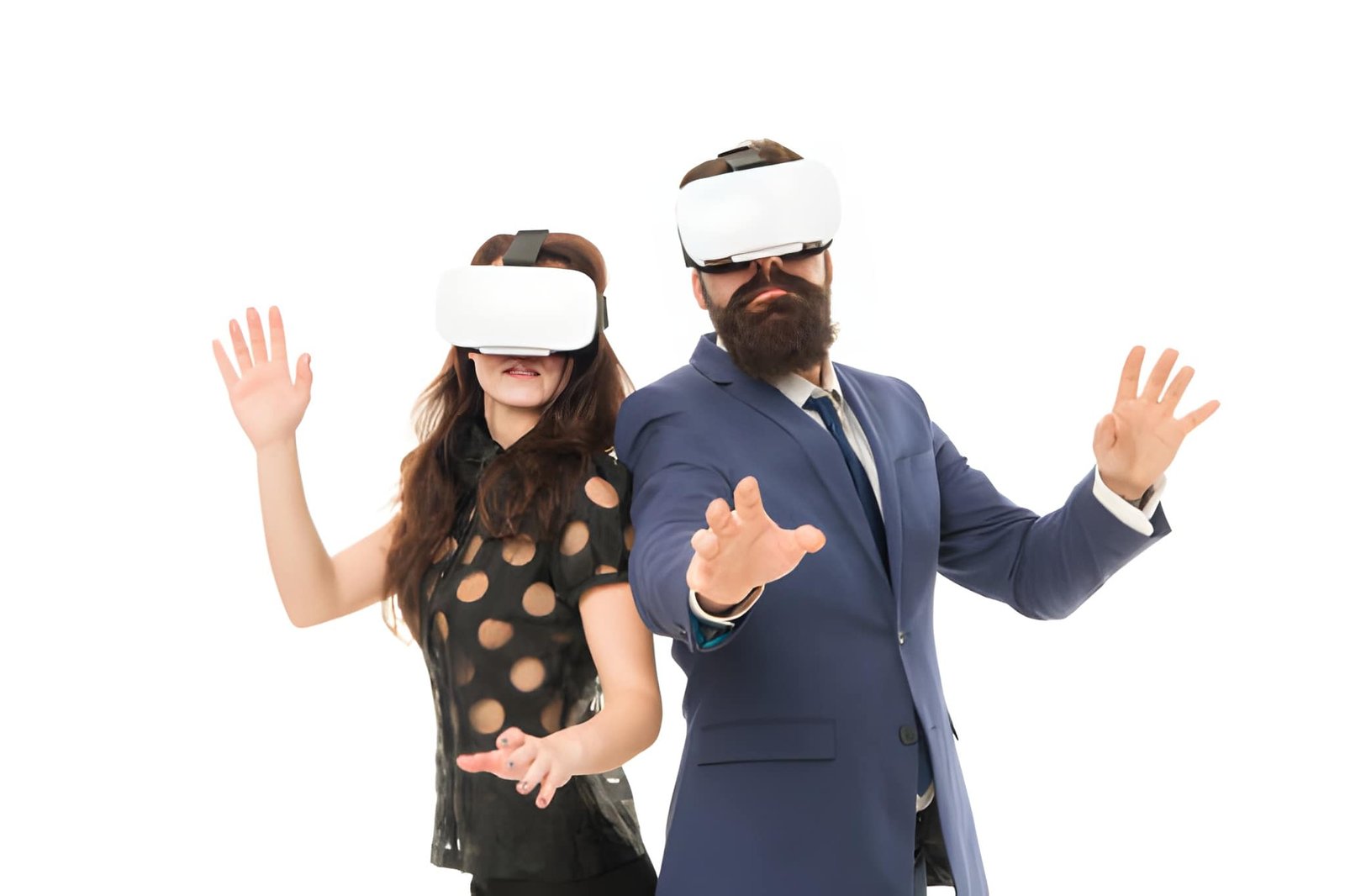
Virtual Freedom: Why Digital Worlds Are Becoming Safe Havens for Open-Minded Adults
Virtual reality is redefining how open-minded adults explore curiosity, connection, and communication in safe, pressure-free environments.
For generations, open-minded adults seeking new experiences or deeper connection have faced a common challenge: finding environments that feel both safe and accepting. Physical spaces often come with social pressures, geographic limitations, or fear of judgment. These barriers can discourage curiosity and restrict authentic self-expression.
Virtual reality (VR) is changing that landscape. By combining immersive technology with customizable environments, VR platforms are becoming modern social ecosystems where individuals and couples can explore communication, identity, and chemistry at their own pace. Rather than replacing real-world interaction, these digital spaces act as bridges — allowing people to understand themselves and others more clearly before taking steps offline.
Today, many users describe virtual environments not as escapes from reality, but as laboratories for emotional honesty and intentional connection.
The Psychology of Safe Exploration
Human curiosity thrives when people feel secure. Psychologists consistently note that emotional safety encourages openness, honesty, and creativity. In unfamiliar real-world social settings, however, anxiety often overrides curiosity. People may worry about appearance, social expectations, or misinterpretation.
Virtual environments reduce these pressures. Avatars, customizable settings, and controlled interaction tools allow users to present themselves authentically while maintaining personal boundaries. This combination produces a powerful effect: people feel free to explore thoughts, conversations, and social dynamics without fear of immediate real-world consequences.
The result is not artificial interaction, but often more genuine communication. When individuals feel protected, they tend to speak more honestly, listen more attentively, and engage more thoughtfully.

Permission-Based Interaction Changes Everything
One of the most transformative aspects of modern VR communities is permission-based interaction. Unlike traditional social environments where cues can be misread, digital platforms can incorporate clear consent tools, adjustable boundaries, and customizable interaction levels.
These features may include:
Selective visibility controls
Communication filters
Private or group-only spaces
Mutual acceptance systems before interaction
Such mechanisms shift social dynamics from assumption to agreement. Instead of guessing whether attention is welcome, users know it is. This clarity reduces misunderstandings and encourages respectful behavior.
In effect, chemistry becomes a conversation rather than a risk.
Freedom Without Exposure
A common misconception about virtual environments is that they encourage people to hide. In reality, many users report the opposite: they feel more like themselves online than they do in physical settings.
This paradox exists because VR offers psychological distance without emotional detachment. Individuals can express personality, humor, curiosity, and interest while still controlling how much of their real-world identity they reveal.
This balance creates a rare combination:
Authenticity + Safety + Autonomy
In physical spaces, people often sacrifice one of these elements. Virtual environments, however, can support all three simultaneously.
Reduced Pressure, Increased Confidence
Confidence is not always innate; it often emerges from positive experiences. In traditional social scenes, first impressions carry high stakes. A single awkward interaction can feel discouraging, especially for introverted or socially cautious individuals.
Virtual platforms soften that pressure. Because users can step away, reset, or change environments instantly, interactions feel lower risk. This encourages experimentation with communication styles, humor, and self-expression.
Over time, these small positive interactions build genuine confidence. Many users report that skills developed in virtual spaces — such as clearer communication or stronger boundary-setting — translate directly into real-world relationships.
Global Connection Without Geographic Limits
Physical communities are limited by location. People who share niche interests or perspectives may live thousands of miles apart, making connection difficult. VR eliminates that barrier entirely.
In immersive digital environments, individuals from different countries, cultures, and backgrounds can interact as if they were in the same room. This global accessibility expands perspectives and encourages empathy. Exposure to diverse viewpoints often leads to deeper understanding and more meaningful conversations.
For open-minded adults, this global dimension is especially valuable. It creates opportunities to learn from people they might never meet otherwise, broadening both social circles and personal insight.
Intentional Social Design
Modern virtual platforms are not random digital spaces; they are intentionally designed environments. Developers increasingly prioritize emotional safety, moderation tools, and community standards that support respectful interaction.
Thoughtful design can influence behavior. For example:
Clear rules promote accountability
Moderation tools deter harassment
Structured environments encourage positive interaction
When digital architecture supports respectful communication, communities tend to reflect those values. Over time, this creates cultures built on trust rather than competition or pressure.
Emotional Authenticity in Virtual Spaces
Skeptics sometimes question whether emotions experienced in virtual environments are “real.” Neuroscience suggests they are. The brain responds to perceived social interaction — even digital — in many of the same ways it responds to physical presence.
Laughter, attraction, curiosity, and empathy can all occur through virtual interaction. These emotions are genuine because they originate internally, regardless of the environment that triggers them.
For many users, this realization is transformative. They discover that meaningful connection is not defined solely by physical proximity, but by communication, understanding, and mutual interest.
Why Adults Are Embracing Digital Social Worlds
Several cultural trends are accelerating adoption of immersive social platforms:
Increased Comfort With Digital Communication
Messaging, video calls, and online communities have already normalized virtual interaction.
Desire for Personal Agency
People increasingly value spaces where they can control how they present themselves and who they interact with.
Growing Awareness of Emotional Safety
Modern users prioritize environments that respect boundaries and consent.
Curiosity About New Forms of Connection
As technology evolves, so does interest in exploring what it makes possible.
Together, these trends point toward a future where virtual social spaces are not niche alternatives but mainstream complements to real-world interaction.
The Future of Intentional Exploration
As immersive technology advances, virtual environments will likely become more realistic, more customizable, and more emotionally intuitive. Features such as haptic feedback, spatial audio, and expressive avatars are already enhancing the sense of presence.
These developments suggest that digital social spaces will continue evolving into sophisticated ecosystems for connection, creativity, and self-discovery. For open-minded adults, they represent not just entertainment, but opportunity — a place to explore curiosity thoughtfully, communicate honestly, and connect intentionally.
Rather than replacing reality, virtual worlds are expanding it.
Conclusion
Safe exploration has always been essential for personal growth. What has changed is the medium. Virtual reality now offers environments where curiosity is welcomed, boundaries are respected, and communication is intentional.
For open-minded adults seeking meaningful interaction without unnecessary pressure, these digital spaces provide something rare: freedom supported by structure. In that balance, people often discover not only new connections with others, but deeper understanding of themselves.
The playground is virtual. The experiences are real.
FAQ
1. Are virtual social platforms safe for adults?
Yes, many modern platforms include moderation systems, consent tools, and privacy controls designed to protect users and promote respectful interaction.
2. Can virtual interactions feel emotionally real?
Absolutely. Emotional responses originate in the brain, so feelings formed through digital interaction can be just as genuine as those formed offline.
3. Why do people feel more confident in VR environments?
Lower social pressure, customizable identity presentation, and the ability to control interactions help users express themselves more comfortably.
4. Is VR replacing real-world relationships?
No. Most users treat virtual environments as complements to real life — spaces to practice communication, meet new people, and explore safely.
5. Who benefits most from virtual social spaces?
Anyone who values intentional interaction, emotional safety, and the freedom to explore conversations or connections without judgment.
Related Articles



Where Curiosity Turns Into Chemistry
A private community for open-minded adults who value honesty, connection, and clear intentions.
Join Free Today