 English
 Italiano
 Fran\xc3\xa7ais
 Svenska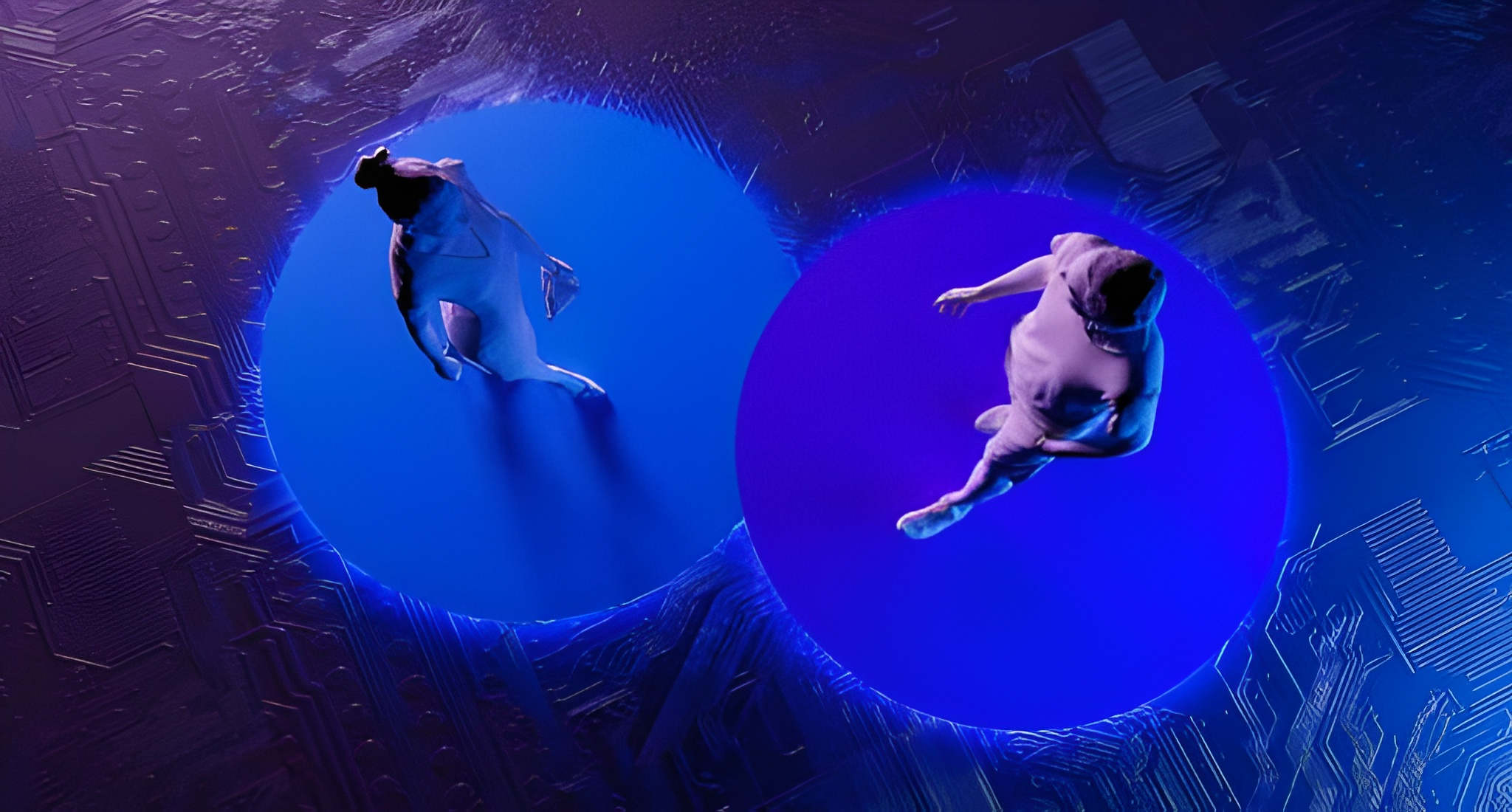
VR Intimacy and Accelerated Emotional Bonds: Why People Fall Faster in Virtual Worlds
Why do emotional connections form faster in virtual reality? Explore how VR removes fear, sharpens focus, and accelerates intimacy.
Falling in love has always required a specific emotional recipe: attention, imagination, trust, and space to feel without interruption. Traditionally, these elements take time to develop. People hesitate, protect themselves, and measure risk before opening up. Virtual Reality (VR), however, reshapes this timeline. In immersive digital environments, emotional connections often form faster and feel unexpectedly intense.
This phenomenon—sometimes described as accelerated intimacy—is not about illusion or escapism alone. It is about how environment influences vulnerability. In VR, fear softens, distractions fade, and emotional presence sharpens. For many, the result is a powerful sense of closeness that rivals, and sometimes exceeds, early real-world attraction.
How VR Creates Emotional Acceleration
VR provides the four core elements of intimacy almost instantly:
Attention: Headsets block out the external world, creating rare, undivided focus.
Imagination: Avatars and environments invite projection and creativity.
Trust: Physical distance lowers perceived risk.
Emotional space: Users feel safer expressing feelings without immediate judgment.
In real life, social cues, expectations, and self-consciousness slow emotional openness. In VR, those barriers are reduced. People speak more freely, listen more closely, and remain present longer.

The Psychology of Reduced Fear
One of VR’s most profound effects is how it softens fear. Without physical exposure, users experience a buffer that lowers anxiety. This does not make emotions weaker—it often makes them clearer.
Psychologists note that people tend to self-disclose more when they feel protected from direct evaluation. VR provides that protection while still preserving human signals like tone, pacing, laughter, and silence. These subtle cues carry emotional weight, allowing genuine bonds to form.
Presence Without Pressure
Unlike text or video calls, VR creates a sense of shared presence. Two people are not just communicating—they are co-existing in a space. This shared environment mimics real-world proximity without its social pressure.
There is no need to maintain eye contact, manage body language, or perform confidence. Users can simply be. That authenticity accelerates emotional resonance.
“VR Butterflies” and Emotional Triggers
Testers within platforms like SwingersNest describe a sensation they call “VR butterflies”—a sudden rush of attraction sparked by small, human moments:
A familiar voice
A spontaneous laugh
A thoughtful pause
A shared silence
These triggers are powerful because VR filters out noise. What remains is focused interaction. Intimacy in VR is not diluted by multitasking or external stressors. It is concentrated.
Is VR Intimacy Real?
A common misconception is that emotions formed in virtual spaces are artificial. In reality, the brain responds to perceived experience, not physical location. Emotional responses—attachment, excitement, vulnerability—are neurologically real.
What differs is context, not authenticity. VR does not fabricate feelings; it accelerates conditions that allow them to surface.
Boundaries and Emotional Awareness
While VR can intensify connection, it also requires emotional responsibility. Because bonds form quickly, users must remain aware of boundaries and expectations. Clear communication is essential to prevent misunderstanding or emotional imbalance.
Healthy VR intimacy thrives when participants:
Discuss intentions early
Respect emotional pacing
Balance virtual and offline life
Reflect on feelings honestly

The Future of Digital Connection
As VR technology becomes more accessible, emotional interaction will continue to evolve. Virtual spaces are no longer just for gaming or novelty—they are becoming social environments where real relationships begin.
Rather than replacing real-world intimacy, VR may become a complementary space where people learn to open, connect, and trust—sometimes for the first time.
Conclusion
People fall faster in virtual worlds not because emotions are fake, but because fear is quieter. VR removes many of the obstacles that slow intimacy, allowing attention, imagination, trust, and emotional space to align instantly.
In these focused digital moments, intimacy is not filtered—it is amplified.
FAQ
Q1: Is falling in love in VR common?
Yes. Many users report strong emotional connections forming quickly due to immersive presence and reduced social anxiety.
Q2: Are VR relationships emotionally real?
Absolutely. Emotional responses in VR activate the same psychological processes as real-world interactions.
Q3: Can VR intimacy replace real relationships?
For most people, VR complements rather than replaces offline connections.
Q4: Is VR intimacy safe?
It can be, when users communicate clearly, set boundaries, and remain emotionally aware.
Q5: Why does intimacy feel stronger in VR?
Because VR removes distractions and fear, allowing focused emotional engagement.
Related Articles


Where Curiosity Turns Into Chemistry
A private community for open-minded adults who value honesty, connection, and clear intentions.
Join Free Today