 English
 Italiano
 Fran\xc3\xa7ais
 Svenska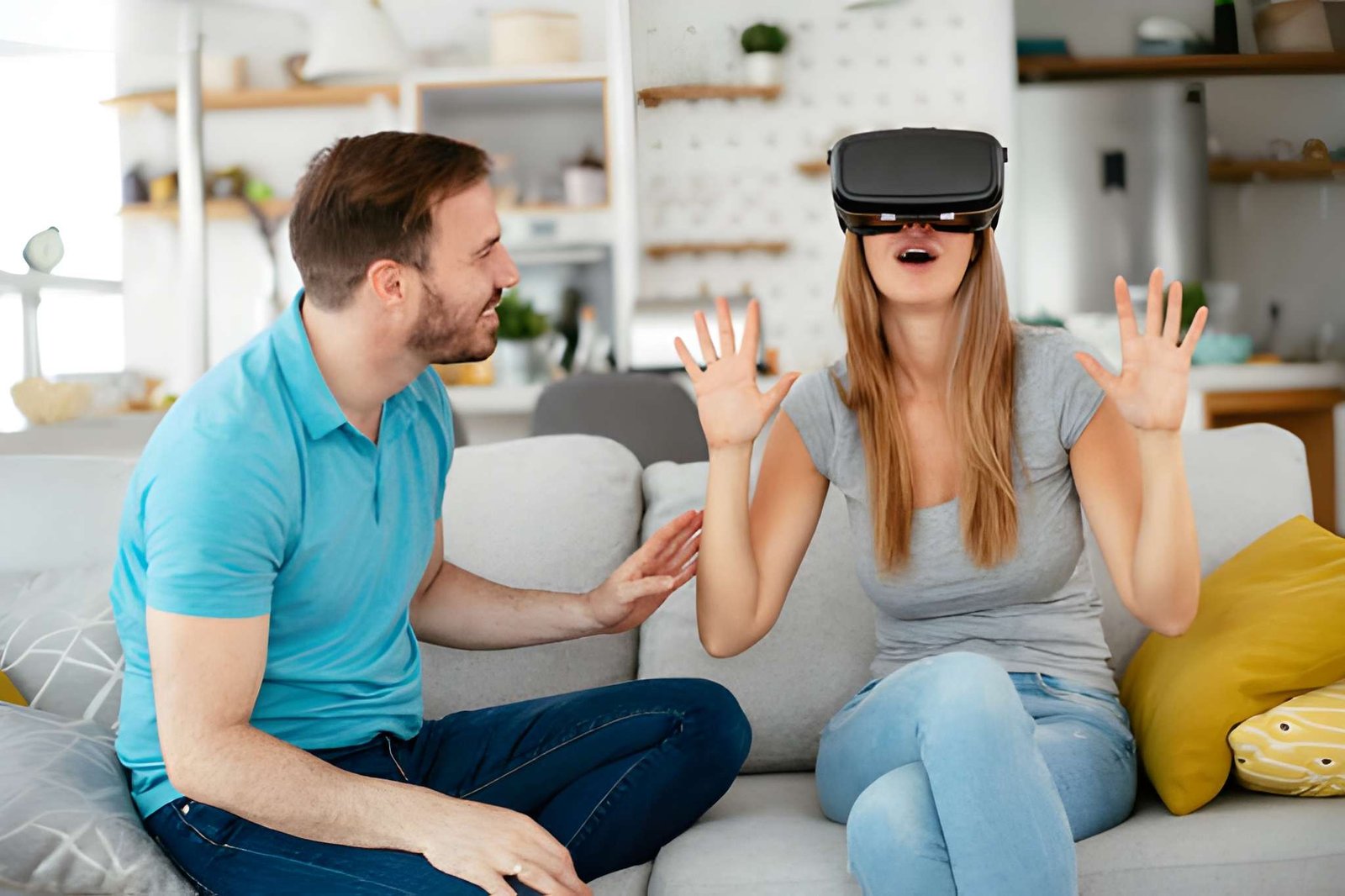
Why Virtual Worlds Reduce Jealousy in Modern Relationships
Virtual environments are transforming relationship dynamics by giving couples more control, better communication, and less jealousy.
Jealousy is often misunderstood. Many assume it is a natural and unavoidable reaction in social or romantic environments, especially in situations involving attraction, attention, or perceived competition. But psychology tells a different story: jealousy is not just about desire or attachment — it is about control, security, and emotional clarity. When people feel stable, heard, and empowered, jealousy tends to fade.
Interestingly, a growing number of couples report that they experience less jealousy in virtual environments than in real-life social spaces. Platforms like SwingersNest.com are demonstrating how immersive digital interaction can shift emotional dynamics in surprising and positive ways.
This isn’t because virtual attraction is weaker. It’s because communication becomes stronger, pacing becomes slower, and autonomy becomes clearer.

Jealousy Thrives on Uncertainty
In traditional social settings, especially highly stimulating ones, emotional signals can become overwhelming. Loud music, crowded rooms, fast-moving interactions, and subtle social competition can all create a sense of pressure. When people feel rushed or overstimulated, their brain moves into a reactive state rather than a reflective one.
Jealousy often emerges in these moments not because something is actually wrong, but because the mind is trying to interpret incomplete information quickly. A glance across a room, a laugh shared between strangers, or a delayed response from a partner can all be misread when the environment encourages speed rather than understanding.
Virtual spaces remove much of this chaos.
Control Changes Everything
One of the strongest emotional regulators in human psychology is perceived control. When individuals believe they can pause, step back, or change a situation, anxiety drops dramatically. VR environments naturally provide this sense of agency.
In virtual social platforms, couples can:
Enter or leave rooms instantly
Mute or block interactions
Switch environments
Take private breaks to talk
This level of control fundamentally alters emotional experience. Instead of feeling trapped in a moment, partners know they can exit at any time. That simple awareness dramatically reduces the stress that often fuels jealousy.
Slower Interaction = Stronger Emotional Processing
Real-world attraction often escalates quickly. Body language, proximity, and physical cues can create instant emotional reactions. While exciting, that speed can outpace a person’s ability to process what they feel.
Virtual environments slow everything down.
Interactions tend to start with:
Voice conversation
Shared activities
Humor
Personality cues
Because physical presence is absent or stylized, the brain focuses more on communication than competition. This slower pace allows partners to check in with their feelings rather than react impulsively.
Many couples report that they feel more emotionally aligned in virtual spaces simply because they have time to think before responding.
Communication Becomes the Centerpiece
In physical environments, communication is often interrupted or diluted. Noise, distractions, or social expectations can make it difficult for partners to express subtle emotions. Virtual spaces, however, are built around communication tools. Voice chat, private rooms, and messaging features create constant access to each other.
When communication becomes frictionless, misunderstandings drop.
Instead of guessing what their partner feels, couples can simply ask. Instead of suppressing discomfort, they can step aside and talk immediately. This prevents small uncertainties from growing into jealousy.
Psychologists often emphasize that jealousy is rarely about attraction itself. It is about unspoken assumptions. Virtual environments reduce assumptions because they increase dialogue.
Reduced Social Pressure Lowers Emotional Reactivity
Physical social scenes often come with invisible expectations: stay polite, don’t leave abruptly, don’t interrupt, don’t appear insecure. These pressures can cause people to remain in situations longer than they feel comfortable, which increases internal tension.
VR eliminates most of that pressure.
Leaving a virtual room doesn’t feel dramatic. Taking a break doesn’t attract attention. Adjusting boundaries doesn’t create awkwardness. Because the environment normalizes personal autonomy, individuals feel safe prioritizing their emotional state.
When people feel safe, jealousy loses its intensity.
Emotional Safety Strengthens Relationships
Couples who explore interactive virtual spaces often discover something unexpected: the environment doesn’t distract them from their relationship — it highlights it.
Why?
Because every decision is collaborative.
Partners discuss:
What spaces to enter
Who to interact with
When to pause
When to leave
This constant micro-coordination reinforces teamwork. Instead of feeling like individuals navigating a social scene alone, partners feel like a unit making shared choices. That sense of alliance is one of the strongest protectors against jealousy.
Research consistently shows that jealousy decreases when partners feel they are on the same side rather than competing for emotional security.
The Psychology of Distance
Physical distance can actually increase emotional clarity. When people are not overwhelmed by sensory input, they think more rationally and communicate more honestly. Virtual environments create a unique balance: social connection without sensory overload.
This balance allows couples to:
Observe their feelings calmly
Reflect before reacting
Communicate intentionally
In many cases, users describe VR interactions as feeling more emotionally intimate than real-world encounters, precisely because they remove distractions that interfere with connection.

Why Desire Isn’t the Problem
One common misconception is that jealousy exists because attraction exists. In reality, attraction is neutral. It only becomes emotionally disruptive when paired with insecurity, uncertainty, or lack of communication.
Virtual environments don’t eliminate attraction. They simply remove the triggers that usually amplify insecurity:
Social comparison
Physical intimidation
Environmental pressure
Fear of losing control
When those triggers disappear, attraction becomes something couples can discuss openly instead of something they silently worry about.
A New Model of Emotional Exploration
Digital social spaces are still evolving, but they are already revealing an important insight about human relationships:
Environment shapes emotion.
When environments prioritize autonomy, communication, and pacing, emotional reactions shift toward calmness rather than defensiveness. Jealousy becomes less frequent not because people care less, but because they feel more secure.
For many couples, virtual interaction isn’t replacing real-world connection. It’s teaching them skills they can bring back into everyday life:
clearer communication
faster emotional check-ins
stronger mutual awareness
In that sense, VR isn’t just a new social tool. It’s a training ground for healthier relationship dynamics.
FAQ
Q1. Does virtual interaction eliminate jealousy completely?
No. Jealousy is a natural emotion. VR simply reduces triggers that intensify it, making it easier to manage.
Q2. Why do couples feel more secure online?
Because they have more control, clearer communication tools, and less social pressure.
Q3. Is virtual interaction less meaningful than real-life interaction?
Not necessarily. Many couples report deeper conversations and stronger emotional understanding in virtual settings.
Q4. Can virtual environments improve real-life relationships?
Yes. Skills learned in VR — especially communication and emotional awareness — often carry into offline interactions.
Q5. Is slower interaction really that important?
Absolutely. Slower pacing allows the brain to process emotions logically instead of reacting impulsively.
Related Articles


Where Curiosity Turns Into Chemistry
A private community for open-minded adults who value honesty, connection, and clear intentions.
Join Free Today